
Comprehensiveness
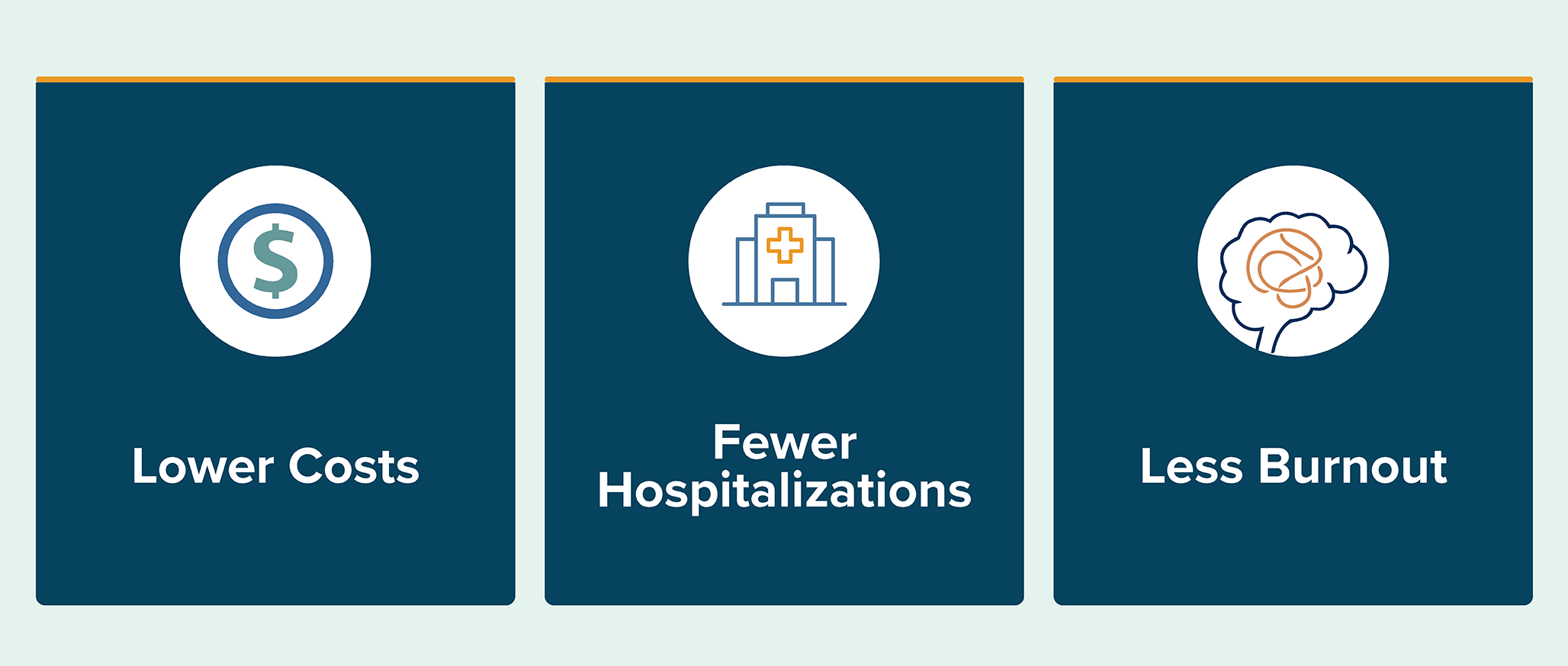
ABFM research on comprehensiveness, including the development of claims-based measures and longitudinal survey data, provides the evidence base linking breadth of practice to lower costs, fewer hospitalizations, and reduced burnout.

The Evidence Behind the Breadth
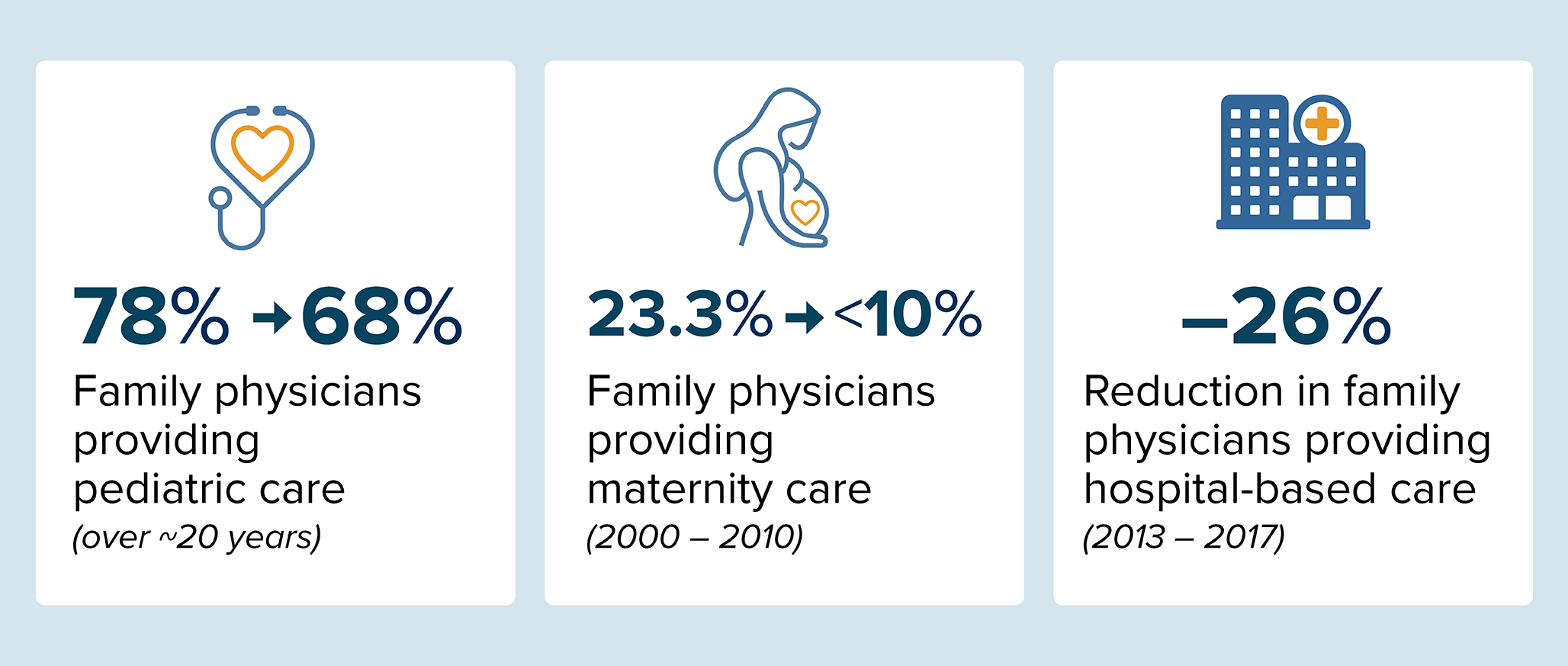
Family medicine is defined by its comprehensive approach to care across every stage of life. ABFM research connects broader scope of practice with lower costs, fewer hospitalizations, and reduced physician burnout - showing what's at stake when that scope narrows.
A Shrinking Scope of Practice
Over the past two decades, family physicians have delivered fewer of the services that once defined the specialty.
Where Comprehensiveness Still Thrives
In rural communities, family physicians consistently maintain broader scope of care - filling gaps where specialists are unavailable. 
What Comprehensiveness Care Delivers
Despite clear evidence that comprehensive care lowers costs, reduces hospitalizations, and improves physician well-being, payment and quality measurement systems often penalize rather than reward breadth of practice. This misalignment particularly disadvantages rural physicians, who maintain broad scopes of care but face under-recognition in both payment and quality metrics.
A New Way to Measure Comprehensiveness
ABFM developed a novel, claims-based measure that captures the full breadth of services family physicians deliver. It's low-burden, scalable, and links directly to key outcomes like chronic disease management and ED use.

Comprehensiveness Bibliography
Family medicine's comprehensives scope of practice is essential to better outcomes and lower costs, but sustaining it requires payment, training, and policy reform that reward, rather than penalize, breadth of practice.